Gentle, evidence-informed gut health — feel calmer, one small step at a time
Add fiber slowly, so it soothes instead of bloats.
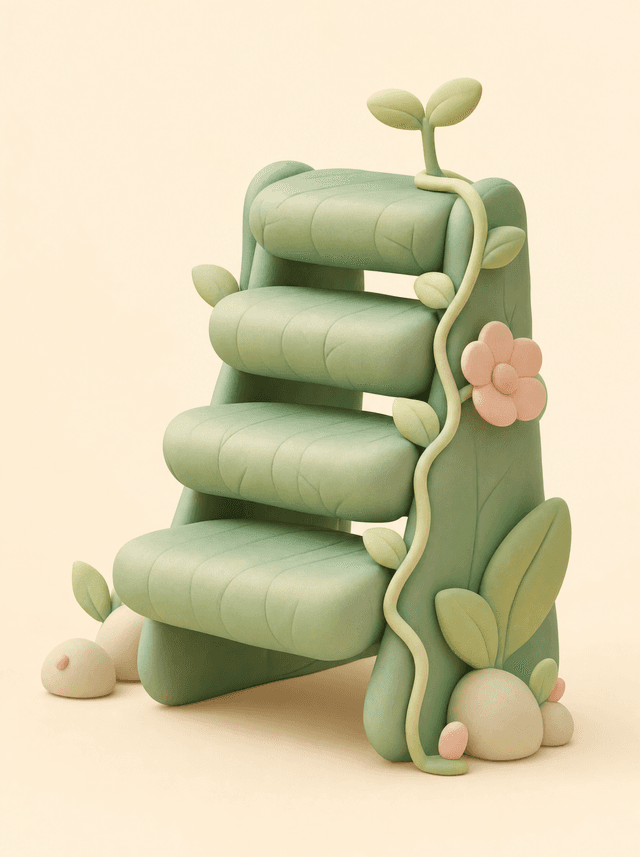
You tried to 'eat more fiber,' doubled your veggies overnight, and spent three days feeling like a balloon. Sound familiar? Fiber is genuinely one of the best things for your gut — but only if you introduce it at a pace your microbes can keep up with. The Fiber Ladder is a slow, week-by-week climb that lets your gut adapt instead of revolt.
Pick a single, gentle source — a small portion of oats, chia, a soft-cooked vegetable, or a few berries. One change, one meal. Not everything at once.
Keep that one addition steady for a few days before adding anything new. You're giving your gut bacteria time to adjust, which is exactly what reduces the bloat.
Comfortable for a few days? Add the next small source. Bloated or gassy? Stay put, or step down a rung — there's no rush and no 'behind.'
Fiber works best with water. As you climb, keep sipping steadily through the day so things stay soft and moving.
Your gut bacteria are the ones that ferment fiber — and like any workout, they need to build capacity gradually. Add too much too fast and fermentation outpaces comfort, which shows up as gas and bloat. Climb slowly and the same fiber that once wrecked you becomes fuel for a calmer, more regular gut.
This is gentle, educational guidance — not medical advice. If your symptoms are severe, persistent, or come with red flags (significant pain, bleeding, fever, or unintended weight change), please see a healthcare professional.

Gutlie turns this into a tiny daily nudge with gentle reminders.


